


-

Add: HeBei ShengShi HongBang Cellulose Technology CO.,LTD.
-

Email
13180486930@163.com -

CONTACT US
+86 13180486930
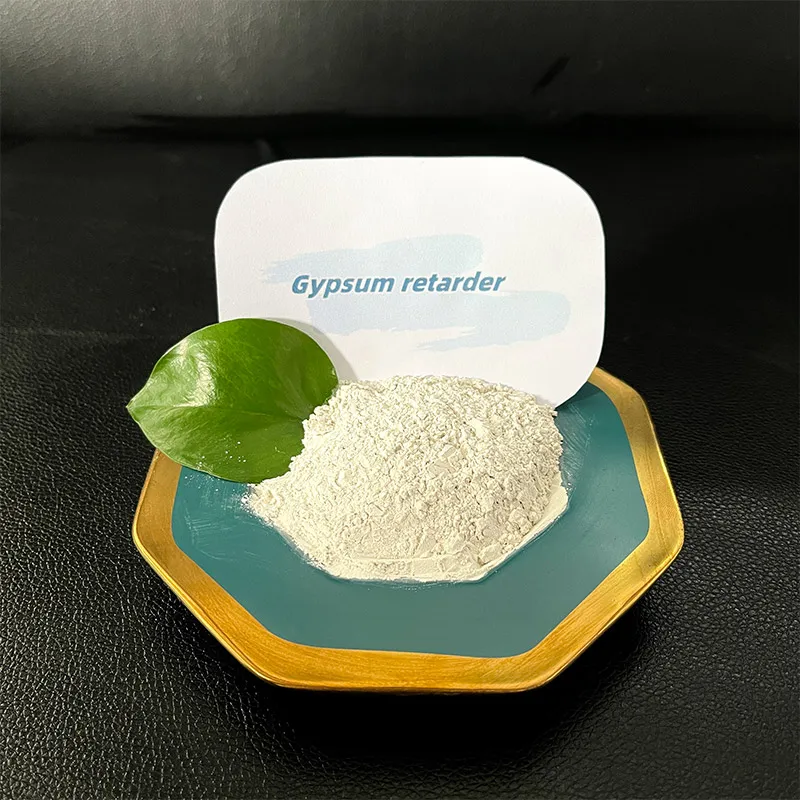
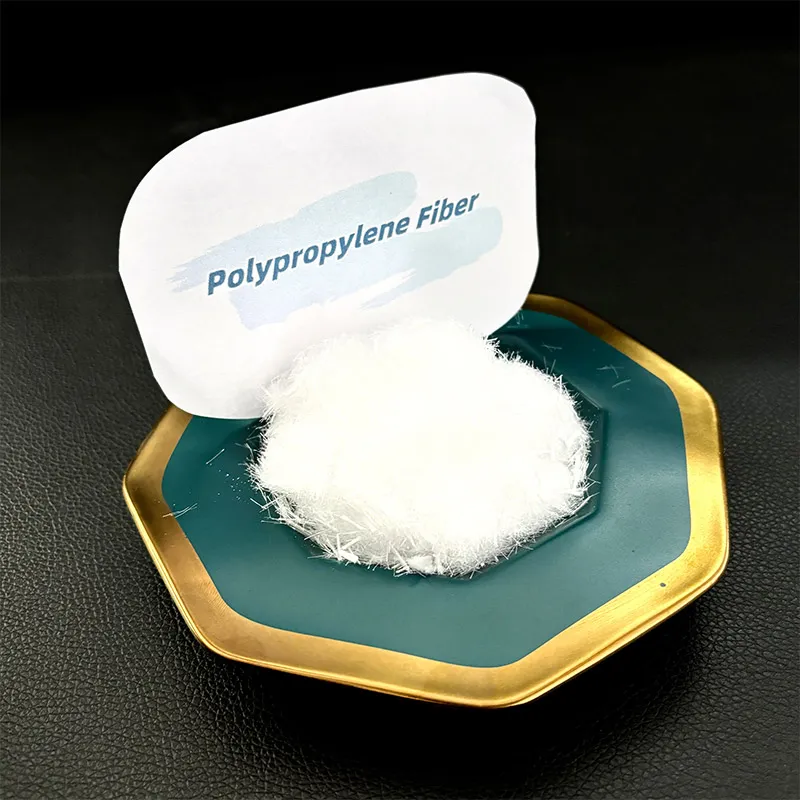
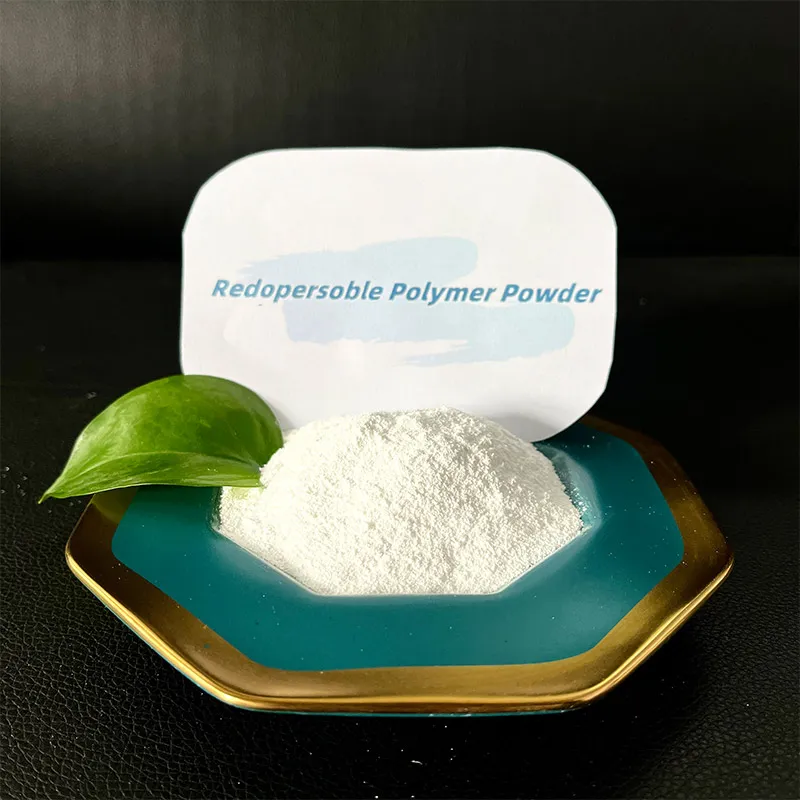
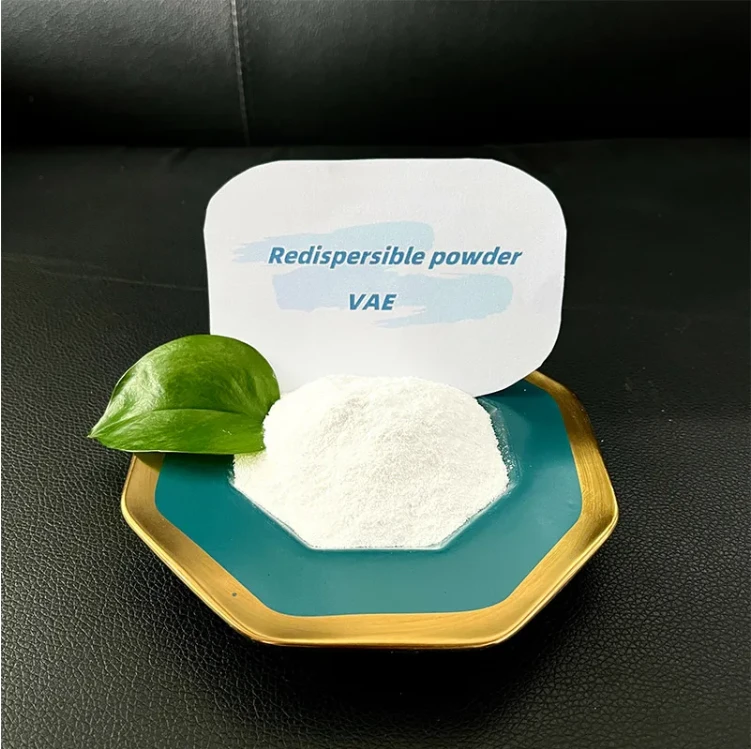
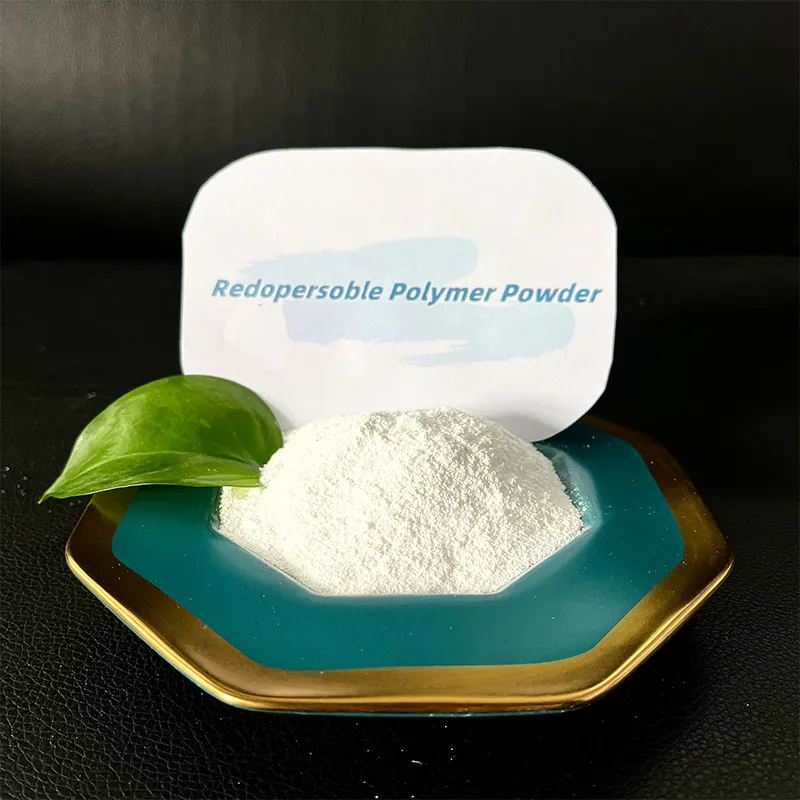
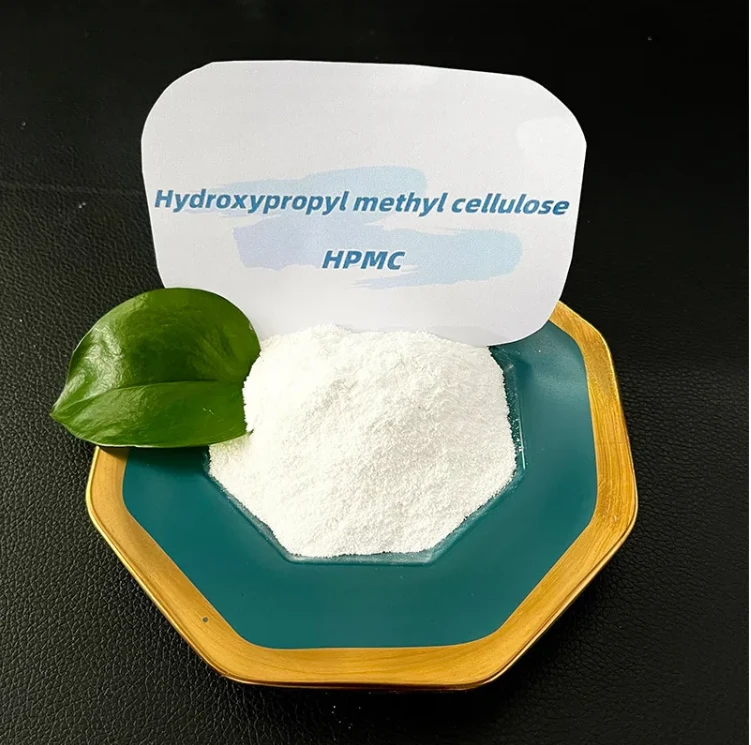


redispersible emulsion powder,redispersible latex powder,polymer powder,vae redispersible powder,redispersible powder is a key solution in the chemical industry industry, specifically within fine chemicals and Building Chemicals. This article explores how HeBei ShengShi HongBang Cellulose Technology CO.,LTD. supports professionals with durable, high-performance products, and explains why this product is an ideal choice for businesses in these sectors. Table of Contents redispersible emulsion powder,redispersible latex powder,polymer powder,vae redispersible powder,redispersible powder Overview Benefits & Use Cases of redispersible emulsion powder,redispersible latex powder,polymer powder,vae redispersible powder,redispersible powder in Building Chemicals Cost, Maintenance & User Experience Sustainability & Market Trends in chemical industry Conclusion on redispersible emulsion powder,redispersible latex powder,polymer powder,vae redispersible powder,redispersible powder from HeBei ShengShi HongBang Cellulose Technology CO.,LTD. redispersible emulsion powder,redispersible latex powder,polymer powder,vae redispersible powder,redispersible powder Overview Redispersible emulsion powder (often VAE redispersible powder) is a free-flowing polymer powder produced by spray-drying a waterborne emulsion and stabilizing it with a protective colloid. Upon contact with water, the redispersible latex powder forms a stable polymer dispersion that acts as a binder, improving adhesion, flexibility, and durability in cement- and gypsum-based systems. Typical building-chemicals grades are based on vinyl acetate–ethylene (VAE), with protective colloids such as PVA to ensure excellent redispersibility, workability, and storage stability. For formulators, this polymer powder enables targeted performance tuning—such as lowering minimum film formation temperature, enhancing tensile adhesion, improving deformability, and boosting abrasion resistance. Representative specifications include controlled particle size distribution, consistent bulk density, and optimized glass transition temperature (Tg) to balance flexibility and strength; specific values vary by grade and application and are provided on technical data sheets. HeBei ShengShi HongBang Cellulose Technology CO.,LTD. manufactures reliable VAE redispersible powder with tight quality control, multiple grades tailored to tile adhesives, skim coats, self-leveling underlayments, EIFS/ETICS systems, repair mortars, and waterproofing mortars—supporting consistent results from lab to large-scale production. Benefits & Use Cases of redispersible emulsion powder,redispersible latex powder,polymer powder,vae redispersible powder,redispersible powder in Building Chemicals In Building Chemicals, redispersible emulsion powder delivers measurable gains across many formulations. In tile adhesives, it improves wet and dry adhesion to challenging substrates, increases open time, and helps achieve slip resistance—facilitating upgrades from basic to higher performance classes. In EIFS/ETICS, VAE redispersible powder enhances flexibility and impact resistance of basecoats, helping systems tolerate thermal cycling. For skim coats and wall putties, polymer powder optimizes workability, reduces cracking, and improves surface quality. In self-leveling compounds, it strengthens cohesion, reduces dusting, and improves abrasion resistance without sacrificing flow. Cementitious waterproofing mortars benefit from reduced water permeability and improved crack-bridging. Key advantages versus alternatives include easy handling and dosing, excellent compatibility with cellulose ethers (such as HPMC), robust redispersibility, and proven performance in cement/gypsum matrices. HeBei ShengShi HongBang Cellulose Technology CO.,LTD. combines polymer know-how with application expertise, providing formulation guidance, rapid sampling, and consistent supply. Whether you need a flexible redispersible powder for deformable tile adhesives or a higher-Tg grade for abrasion resistance, our portfolio and technical service help B2B decision makers speed time-to-market and secure repeatable, specification-compliant outcomes. Cost, Maintenance & User Experience Total cost of ownership matters in competitive building chemicals markets. While unit cost of redispersible latex powder is higher than mineral fillers, the ROI comes from enhanced performance (better adhesion, crack resistance, cohesion), fewer jobsite callbacks, and upgraded product classifications that command price premiums. Improved workability and consistency also reduce production waste and simplify quality control. Many customers report smoother scale-up due to stable redispersibility and low dusting options that improve plant hygiene and dosing accuracy. From a maintenance perspective, polymer powder requires standard good practices: store sealed in a cool, dry area away from moisture; use on a first-in, first-out basis; and protect from caking. In finished products, the durability of VAE redispersible powder translates to longer service life for mortars and coatings, supporting life-cycle value. HeBei ShengShi HongBang Cellulose Technology CO.,LTD. offers grade selection support to optimize dosage—often in the 1–5% range depending on system—balancing performance and cost, and providing dependable logistics so your production schedules remain on track. Sustainability & Market Trends in chemical industry Sustainability is reshaping the chemical industry—especially in Building Chemicals, where low-VOC formulations, resource efficiency, and circularity are rising priorities. Redispersible powder helps by shipping the polymer “dry,” minimizing transport of water and reducing associated emissions. In many formulations, VAE-based polymer powder supports low-VOC targets and can help manufacturers design for compliance with evolving regional regulations. The shift toward energy-efficient buildings, renovation of aging infrastructure, and growth of EIFS/ETICS for thermal insulation are expanding the market for high-performance polymer binders. HeBei ShengShi HongBang Cellulose Technology CO.,LTD. invests in responsible production, quality systems, and continuous improvement to deliver consistent, high-performing redispersible emulsion powder solutions. By aligning portfolio development with standards and emerging regulatory expectations, and by supporting customers with clear documentation and technical data, we help B2B partners reduce risk, build greener products, and capture growth in premium segments. Our forward-looking approach ensures that both performance and sustainability requirements are met without compromise. Conclusion on redispersible emulsion powder,redispersible latex powder,polymer powder,vae redispersible powder,redispersible powder from HeBei ShengShi HongBang Cellulose Technology CO.,LTD. From tile adhesives and EIFS to self-leveling and waterproofing mortars, redispersible emulsion powder empowers Building Chemicals producers to achieve reliable adhesion, flexibility, and durability. HeBei ShengShi HongBang Cellulose Technology CO.,LTD. supplies high-quality VAE redispersible powder backed by application expertise and dependable service—helping B2B decision makers optimize performance, cost, and sustainability. Contact us: email: 13180486930@163.com Visit our website: https://www.sshbhpmc.com
- 40000tons

Production
- 20+years

Experience
- 5000+㎡

Acreage

-

In today’s industrial and personal care sectors, raw materials must deliver more than just functionality—they must offer versatility, cost-efficiency, and environmental compatibility. Among these materials, modified starch types have gained prominence for their wide-ranging applications in construction, coatings, adhesives, and cosmetic formulations. Unlike native starches, modified starches undergo physical, enzymatic, or chemical treatments that enhance their stability, solubility, and performance under different environmental conditions. There are various modified starch types used in industry: oxidized starch, cationic starch, hydroxypropyl starch, and crosslinked starch, among others. Each type offers distinct properties that suit different use cases. For example, oxidized starch is valued in the paper and textile industry for its improved film-forming ability, while cationic starch is favored in wastewater treatment and as a retention aid. Hydroxypropyl starch shows excellent compatibility with surfactants and is widely used in the personal care sector for thickening shampoos and conditioners. In the construction field, modified starch types act as efficient water-retention agents, rheology modifiers, and anti-sagging agents, especially in dry-mix mortars and tile adhesives. The ability of modified starches to control workability and enhance adhesion makes them indispensable for ensuring product performance in various environmental conditions. What sets modified starches apart is their adaptability. Whether incorporated into a facial mask formulation or a cementitious compound, the same base material can be engineered to meet highly specific application goals. Their bio-based origin also contributes to sustainability goals, making them increasingly relevant in today’s environmentally conscious market. Starch Ether: A Functional Additive Transforming Construction Materials Among the modified starch types , starch ether stands out as one of the most valuable derivatives for the construction industry. It is primarily used as a thickener, stabilizer, and water retention agent in cement-based and gypsum-based materials. Whether in tile adhesives, skim coats, self-leveling underlays, or exterior insulation systems, starch ether significantly improves workability and performance. The incorporation of starch ether enhances the open time of plasters and adhesives, ensuring better application and correction capabilities. It prevents segregation, provides a smooth texture, and reduces cracking by maintaining consistent moisture levels. This is especially important in high-temperature or low-humidity environments where premature drying can lead to inferior bonding or surface defects. In dry-mix mortar systems, starch ether is used in combination with cellulose ethers to optimize viscosity and anti-slump behavior. Its efficiency at low dosages makes it a cost-effective choice for manufacturers seeking performance without a significant increase in formulation costs. The personal care industry also benefits from starch ether in products such as body powders, facial masks, and emulsions. It enhances the texture and sensory feel of the product, offering a natural alternative to synthetic polymers while improving spreadability and consistency. As industries push toward multifunctional ingredients, starch ether continues to offer a practical and economical solution for both formulation efficiency and product performance, especially in applications where flow control and water retention are crucial. Starch Ether China: Global Supply Hub for High-Performance Industrial Starches When discussing high-quality and competitively priced starch ether , it's impossible to ignore the central role of starch ether China in the global supply chain. Chinese manufacturers have become leading players in the production and innovation of industrial-grade starch ether, supplying to regions across Europe, Southeast Asia, the Middle East, and beyond. The growth of starch ether China is attributed to several factors: abundant raw material availability, advanced production technologies, and a strong export infrastructure. Manufacturers in China offer diverse specifications tailored to customer needs, including varying degrees of substitution, moisture content, and granule size. This flexibility makes them an ideal partner for businesses seeking customized formulations. Many of these producers adhere to international quality standards, including ISO, REACH, and SGS certifications. Their products meet the rigorous demands of industries such as construction, coatings, and personal care, ensuring batch consistency and reliable performance. Moreover, Chinese suppliers often provide technical support and R&D services, helping customers achieve optimal results with their formulations. The rapid development of starch ether China is also driven by its integration into large-scale infrastructure and housing projects domestically. This fosters constant innovation, allowing Chinese manufacturers to stay ahead of the curve in terms of application performance, sustainability, and economic feasibility. By sourcing from starch ether China , global buyers can reduce procurement costs without compromising on product quality—a key advantage in today’s competitive markets. Navigating the Starch Ether Price Landscape: What to Know Before Buying Understanding the dynamics of starch ether price is critical for procurement teams and product developers alike. The price of starch ether can vary based on several factors, including raw material costs (typically corn or tapioca), processing technologies, production scale, and the degree of chemical modification. On average, starch ether price ranges between $1.50 to $3.00 per kilogram in bulk, depending on the quality and performance requirements. Higher grades with specialized properties—such as enhanced viscosity, improved dispersibility, or compatibility with specific polymers—typically command a premium. Freight charges, tariffs, and certifications can also impact final pricing. However, it's not always about finding the cheapest option. Instead, buyers should focus on price-performance ratio. A slightly higher starch ether price may offer superior efficiency, requiring lower dosages and resulting in better application outcomes. This is especially true in dry-mix systems, where stability, water retention, and anti-sagging are non-negotiable. Starch ether sourced from leading starch ether China manufacturers often provides a good balance between cost and performance. Many suppliers offer tiered pricing based on order quantity, with flexible terms for long-term partnerships. Additionally, working directly with manufacturers allows for tailored grades, which can reduce over-specification and further lower overall formulation costs. Before purchasing, always request technical data sheets, samples for testing, and trial formulas to assess actual performance. This ensures you are not only getting the right starch ether price , but also the right product for your intended application. Why Modified Starch Types and Starch Ether Are Essential in Industrial Formulations Choosing the right modified starch types or starch ether depends on a clear understanding of your industry’s requirements. For construction materials, these starch derivatives play a vital role in improving workability, adhesion, and longevity. In personal care, they contribute to texture, moisture retention, and product stability—all essential for consumer satisfaction. With the growing demand for sustainable and high-performance materials, the role of modified starch types and starch ether is set to expand across industries. Whether you’re sourcing from starch ether China or analyzing the best starch ether price , investing in the right product ensures consistent performance and customer satisfaction. starch ether FAQs What are the main applications of modified starch types in industry? Modified starch types are widely used in construction, textile, paper, adhesive, and personal care industries. In construction, they enhance water retention, rheology, and workability of dry-mix mortars and plasters. In personal care, they act as thickeners and stabilizers for creams, lotions, and powders. They are not used in food or pharmaceutical applications in this context. How does starch ether improve the performance of construction materials? Starch ether enhances workability, consistency, and open time in cement and gypsum-based applications. It helps maintain moisture within the mortar, preventing premature drying and cracking. When used with cellulose ethers, it further improves anti-slump and anti-sagging properties, which is crucial in vertical applications like wall plaster and tile adhesive. Why is starch ether China a preferred source for global buyers? Starch ether China producers offer high-quality, cost-effective materials with excellent customization options. Their large production capacity, adherence to international standards, and technical support make them ideal for global importers. Additionally, their ability to offer tailored formulations helps meet specific industrial requirements. What factors affect starch ether price in the market? Several variables influence starch ether price , including raw material costs, processing technology, product grade, order volume, and shipping fees. Customized grades or special packaging can also impact pricing. While cheaper products are available, it’s important to evaluate performance to ensure long-term cost efficiency. Can modified starch types and starch ether be used in food or pharmaceutical applications? No, the modified starch types and starch ether discussed here are strictly for industrial and personal care use. They are not processed or certified for consumption or medicinal use. Always ensure that the starch product you purchase matches the regulatory and safety standards of your intended application field.
-
Navigating the Complex World of Rubber Powder Buyers Rubber powder has emerged as a crucial industrial material due to its versatility and eco-friendly properties. Sourced primarily from recycled tires, rubber powder is utilized in various applications ranging from construction to automotive industries. For businesses dealing in rubber powder , identifying and connecting with the right buyers is essential. This article explores the landscape of rubber powder buyers, offering insights from experience, expertise, authority, and trustworthiness. Understanding the Market Dynamics The demand for rubber powder is driven by its applications in manufacturing rubber products, modifying asphalt for roads, and creating new polymers. Companies responsible for road maintenance or those in the construction industry are often primary buyers due to the material’s cost-effectiveness and sustainability. Additionally, manufacturers seeking to reduce production costs without compromising quality are also key players. Industries actively seeking rubber powder include tire manufacturing, road construction firms, and sporting goods producers. Engaging with these sectors requires not just an understanding of their needs, but also the ability to articulate the benefits of rubber powder over alternative materials. Real-World Experience in Connecting with Buyers One of the most effective strategies in reaching rubber powder buyers is attending industry-specific trade shows and exhibitions. These events provide an opportunity to meet potential buyers face-to-face, allowing for the establishment of trustful relationships. Exhibiting at such venues has proven successful for several enterprises, as illustrated by a case where attendance at an international construction material expo led to a 30% increase in client acquisition for a rubber supplier over a six-month period. Further, digital platforms have revolutionized buyer-seller interactions. Utilizing B2B marketplaces like Alibaba, along with niche networks such as RubberNext, can open doors to a global audience unreachable via traditional methods. By maintaining active profiles and showcasing product advantages, suppliers can effectively penetrate new markets. Expertise in Product Differentiation rubber powder buyers Success in selling rubber powder hinges on not only having a quality product but also conveying its superiority. Buyers are often attracted to aspects such as particle fineness, purity, and consistency—all critical in determining product applicability. Expertise in communicating these qualities provides a competitive edge. Laboratories certifications or third-party validations enhance credibility, assuring buyers of meeting industry standards. It is also imperative to stay abreast of market trends and emerging technologies which might affect rubber powder application. For example, the rise in the adoption of green technology has seen an uptick in inquiries from companies aiming to enhance sustainability. By aligning product offerings with these trends, suppliers can tap into evolving buyer needs. Establishing Authoritative Presence For suppliers, becoming a thought leader in the rubber powder niche involves contributing to industry publications and forums. Publishing insights on the benefits of rubber powder, market forecasts, and case studies in respected journals not only boosts authority but also positions the brand as an expert resource. Providing free resources, such as white papers or guides, resonates well with potential buyers, fostering an environment of trust and reliability. Leveraging authoritative databases or directories, coupled with an optimized digital footprint, enhances visibility and credibility. Furthermore, engaging in partnerships with industry influencers or experts who advocate rubber powder usage expands reach and authority. Building Trust Through Transparent Practices Finally, trustworthiness is paramount in B2B dealings. Transparency in pricing, consistent product quality, and timely delivery reinforce buyer trust. Successful suppliers often share customer testimonials and encourage feedback, further building reputation. Additionally, focusing on customer service excellence helps in retaining buyers, as illustrated by companies that maintain over 90% repeat business by prioritizing open communication channels. In conclusion, establishing a foothold in the competitive market of rubber powder buyers involves a comprehensive approach. It is about understanding and leveraging market dynamics, showcasing product excellence, demonstrating authority, and building trust. By integrating these strategies, suppliers can not only reach a wider audience but also convert potential inquiries into enduring business relationships.
advantages
-

200000 Viscosities
Excellent product
We can produce pure products up to 200,000 viscosities
-

40000 tons
High yield
We don’t stop production all year round, and the annual output can reach 40,000 tons
-

24 hours
Quality service
We provide 24-hours online reception service, welcome to consult at any time
———— Inquiry Form
Schedule A services

-
 wanga_etha
Oct . 25, 2025
The Impact of HPMC E5 LV in Various Industries Hydroxypropyl Methylcellulose (HPMC) is a versatile a -
 pemasok_serat_pp
Oct . 25, 2025
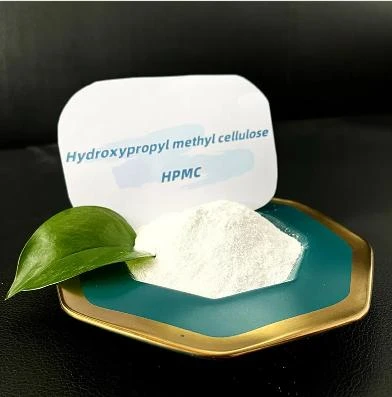
Hydroxypropyl methylcellulose, commonly abbreviated as HPMC, stands for a multifaceted polymer with -
 hpmc_k4m_uses
Oct . 25, 2025
In the complex world of construction and building materials, innovative products regularly establish


